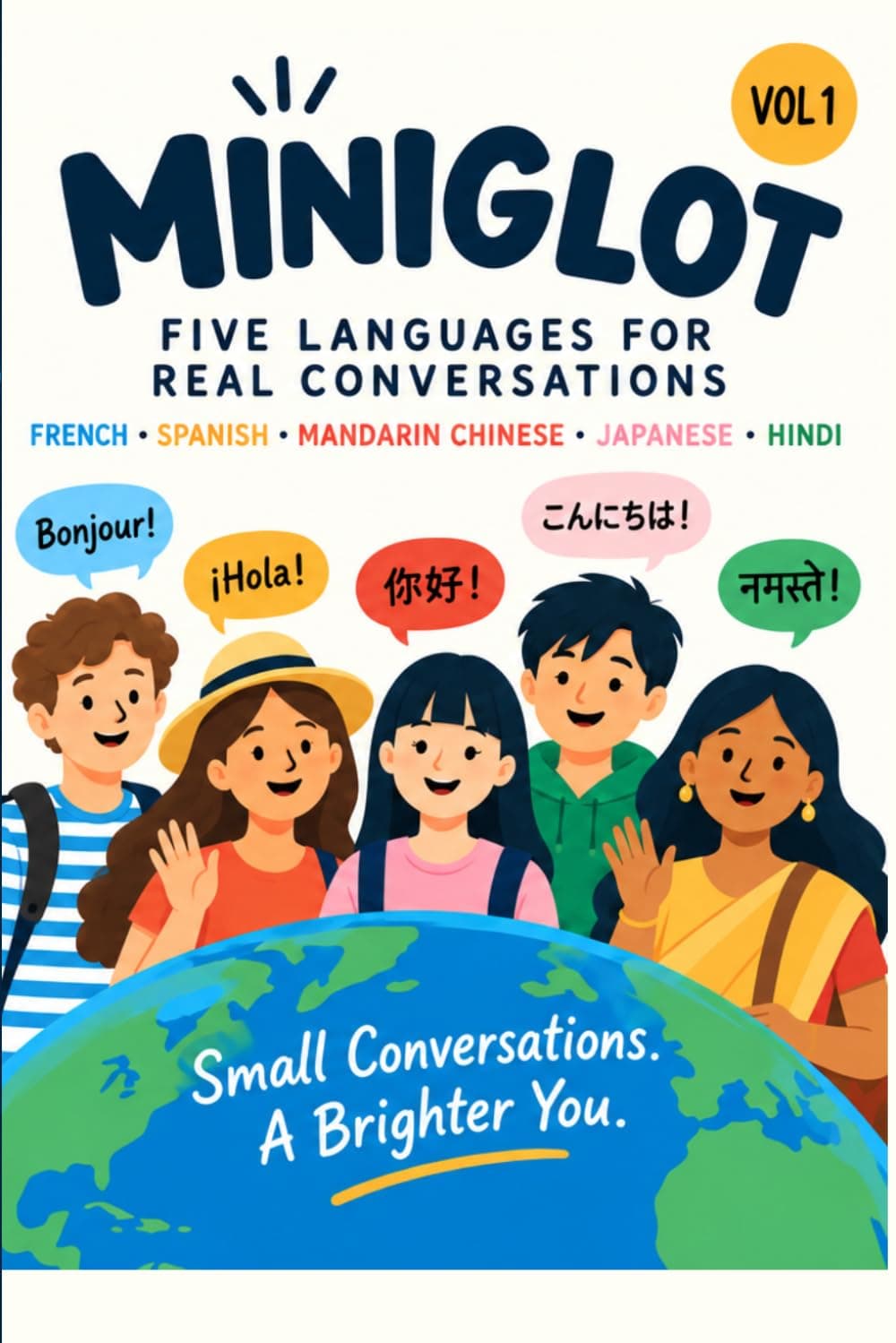
Miniglot.
Small Conversations in Five Languages
One short, warm conversation in each of five languages, French, Spanish, Mandarin Chinese, Japanese and Hindi, printed in ordinary letters with a say-it-like-this line under every phrase.
162 pages · Paperback & Kindle · Complete beginner
your third line in the opening exchange of the French chapter
How the book is organised.
Five languages, each its own short chapter with the same shape every time, then the five side by side.
A few words in someone's language can be the start of a lovely conversation. That is the whole idea behind this small book. It gives you a little about yourself to share, something friendly to ask, and the small responses that keep a chat going, in French, Spanish, Mandarin Chinese, Japanese and Hindi.
Each language is one short chapter. You get one complete conversation you could really have, five small moments to grow it (enjoying something together, talking about where you are, finding a shared interest, asking someone to teach you a word, saying you have enjoyed it), and an honest way out of any sentence you do not follow. Every phrase is printed in ordinary letters with its English meaning and a say-it-like-this line underneath, so there is no foreign alphabet to decode and nothing to decipher before you can speak.
It is not a course. There are no grammar tables, no vocabulary drills and no promises about how long anything takes. The occasions it is written for are ordinary: a neighbour whose first language is not English, a colleague on a call from another office, a friend of a friend at a table, and a holiday too, as one occasion among many.
- 01FrenchHello, I'm learning French, where are you from, and a warm goodbye, all in polite vous
- 02SpanishThe same first chat in neutral Latin American Spanish, with usted, and the sounds closest to what an English mouth already does
- 03Mandarin ChinesePinyin with a tone number on every syllable, and the four tones taught before the first word
- 04JapaneseThe polite desu and masu forms throughout, with sound length shown instead of stress
- 05HindiPolite aap, in a plain romanisation, with both a man's and a woman's form printed from the first sentence
- 06When you do not followIn every chapter: I didn't catch that, could you say it again more slowly, and could we speak English
- 07The Same Six LinesHello, I am learning your language, and you?, sorry I did not catch that, what is this called?, thank you very much, in all five languages side by side
Inside each language the chapters run the same way: Meet the language, Your first little chat, Something to talk about, Keep it warm, Make it yours, Find the sound, Take this with you, Have a go.
Why this edition.
One conversation you could really have
Each language opens with a complete exchange from hello to goodbye, printed as YOU and THEM so you can see at a glance which half is your job. Read both parts once, then only yours.
Say it like this
Every phrase carries a plain-English respelling written for an English mouth, not a phonetics class. French, Spanish and Hindi use capitals for the syllable to lean on, Mandarin uses tone numbers, and Japanese shows how long a sound is held.
An honest way out
You will not understand every reply, and you are not supposed to. The first chat in every language teaches I didn't catch that, could you say it again more slowly, and could we speak English, so you never have to nod along.
Replies are possibilities, not predictions
The lines marked THEM are things a person might say, not a script they will follow. Someone may say none of them, may be busy, or may answer in English. The point is that a few words will sound familiar when they go past.
Make it yours
A Make it yours chapter in each language offers truthful lines about your home, your work and why you are learning, so the few sentences you keep are the ones that are actually true about you.
the opening exchange of the French chapter, “Your first little chat”. Your lines alternate with what the other person might say back
The details.
- Series
- Miniglot
- Languages
- French, Spanish, Mandarin Chinese, Japanese, Hindi
- Format
- Paperback & Kindle
- Print length
- 162 pages
- Trim size
- 6 x 9 in
- Pronunciation
- Say-it-like-this respelling under every phrase
- Level
- Complete beginner
- Published
- September 2026
- ASIN
- B0HJF216WG
More from the press.
Every edition is glossed by hand, word by word, and printed on demand by Amazon.
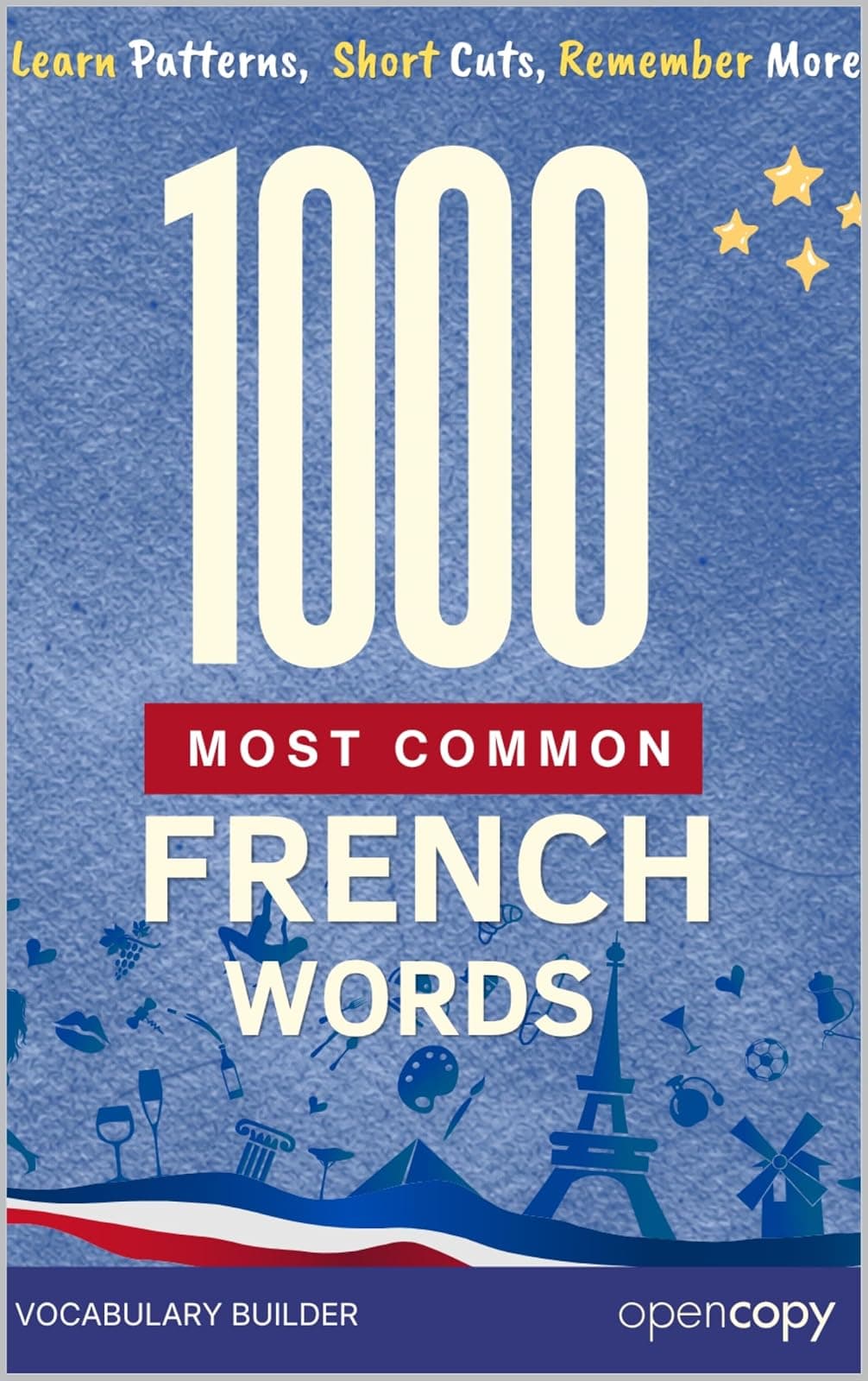

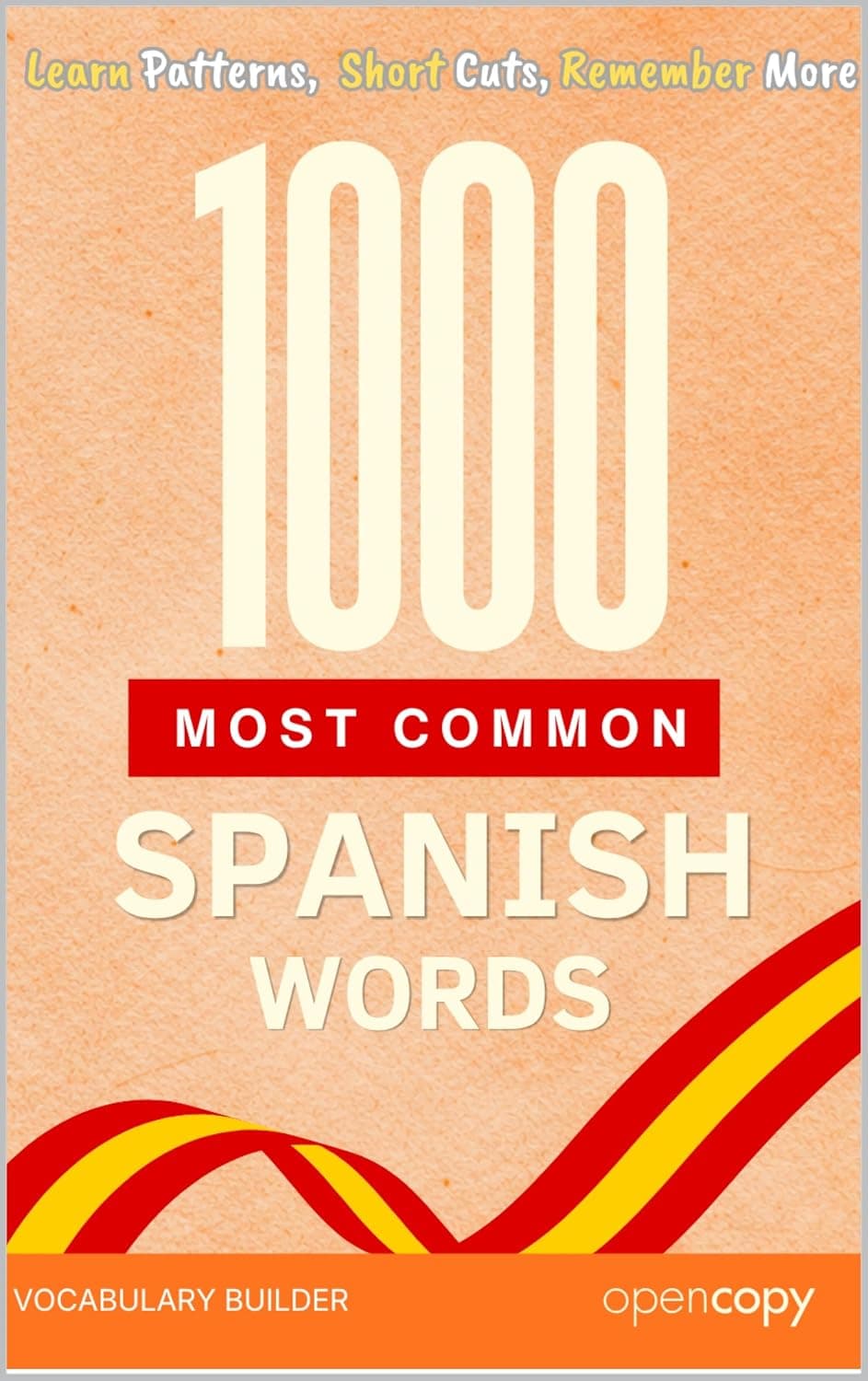

Five languages, one small conversation each, written in ordinary letters so you can say it today.
Buy on Amazon